

From TECHNICIAN to PROJECT MANAGER: How to turn "hands-on" experience into a new career path
A good technical project manager understands equipment, people and process

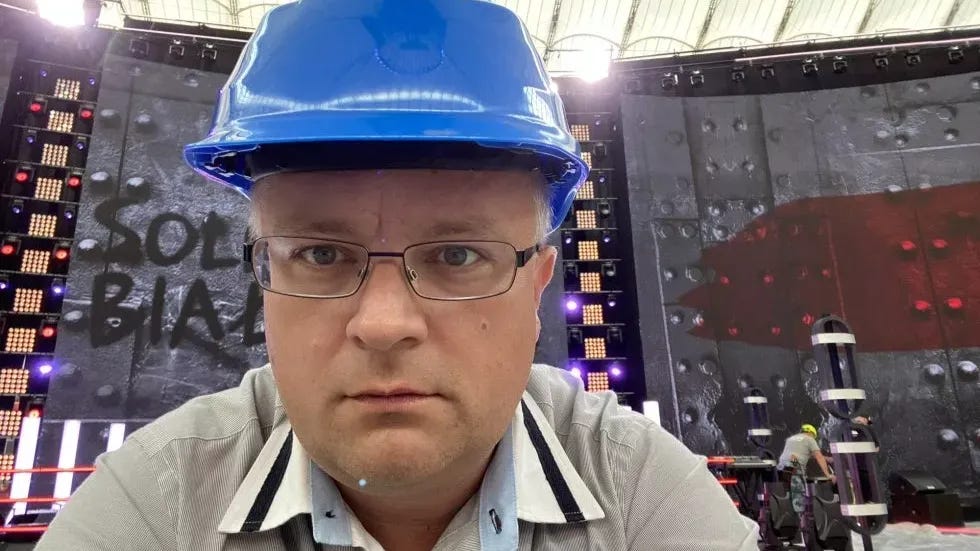
There is a moment in the event industry that many technicians know very well.
You have worked on dozens, maybe hundreds, of productions. You know what a night load-in feels like. You know how a crew behaves after fourteen hours on site. You know where signal problems usually start.
You know why “it is just an LED screen” is never just an LED screen. You know how quickly a good creative idea can fall apart if someone has not planned the timing, rigging, power, logistics, access, crew, safety or system configuration propery
This kind of knowldge does not come only from training sessions, catalogues or product presentations
It comes from the battlefield
From arenas, halls, stadiums, festivals, conferences, TV studios, esports events, exhibitions, concerts and corporate shows where everything has to work…. and it has to work on time.
And this experience can become the begining of the next stage of your career.:
A technician does not have to spend an entire professional life only installing equipment. Of course, physical technical work is important. Without technicians, there is no production. Someone has to build the stage, hang the screens, cable the sytem, configure the equipment and make sure the show is ready.
But at some point, your experience may become more valuable than your hands.
You can move from “I instal it” to “I plan how it should be installed.”
From “I follow the plan” to “I create the plan.”
From “I fix problems on site” to “I predict problems before they happen.
That is a very strong career path
Your technical experience is more valuable than you think
A good technician sees things that many other people do not see.
When looking at a stage design, an experienced technician can often say immediately: access will be a problem here, this will take longer than planned, this LED configuration makes no sense, the sgnal path should be different, the system can be simplified, the budget is being spent in the wrong place, or the client can get the same effect in a smarter way
This is not “just practical experience”
This is design value. Planning value. Production value!
Modern event production is no longer only about who can physically install equipment. It is increasingly about who can plan the whole process: technology, workflow, people, budget, logistics, risk, safety and the final result.
That is why technicians with real field experience can become excellent project managers, technical project managers, system designers, production coordinators, technical consultants or technical directors
They can still take part in live productions, but from a different position - not only as the person doing the physical installation, but as the person guiding the process.
And the industry needs people like that
Physical work is NOT forever….. but experience keeps growing
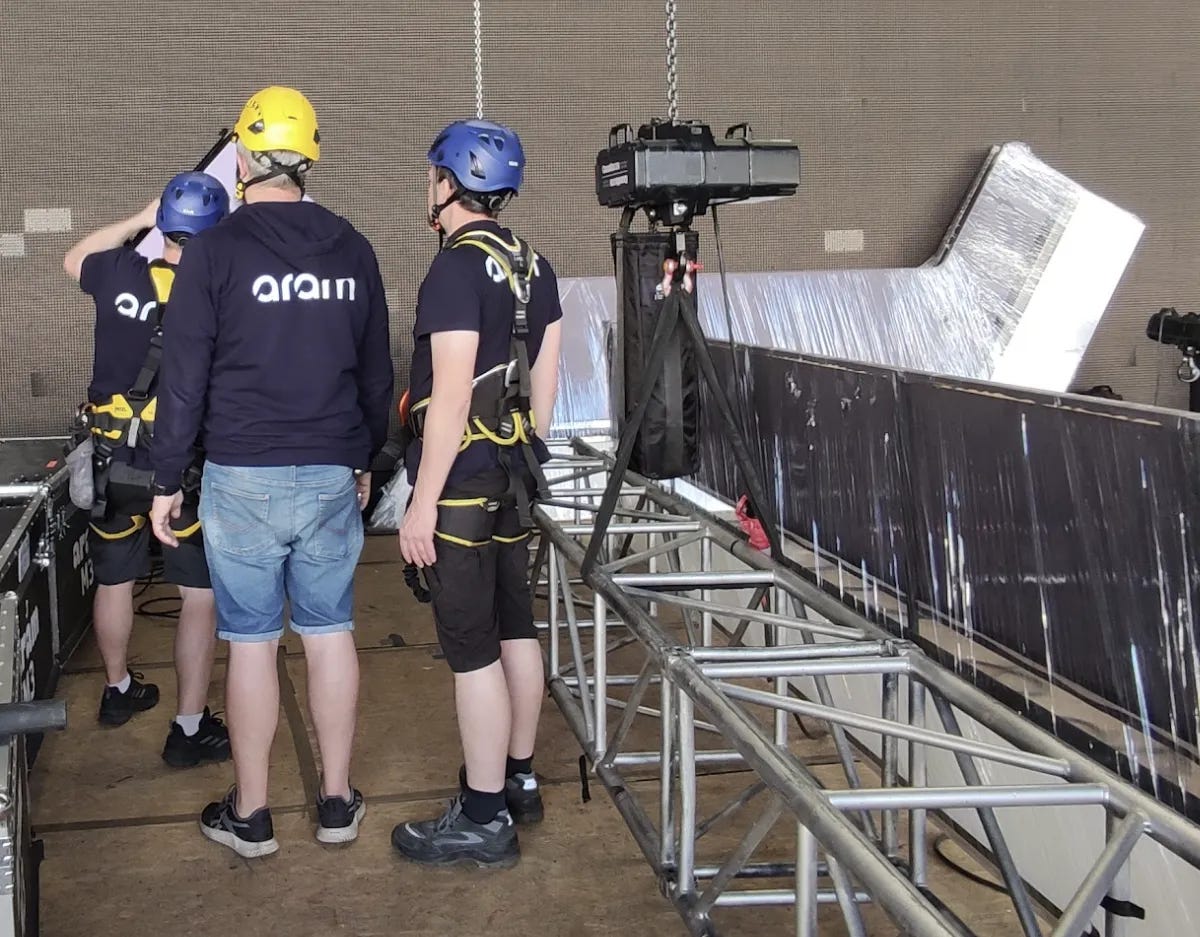
Technical work in the event industry is demanding. Everyone who has spent time on site knows this is not a calm 9-to-5 job
There are nights. There are fast turnarounds. There are heavy elements. There are tight deadlines. There is pressure. There are moments when decisions must be made quickly and mistakes can be expensive.
When you are younger, you usually have more physical energy for this pace. You can handle long hours, heavy work and constant movement more easily. But over time, things change. That is natural. You gain experience, but your body may not want to work in exactly the same way forever.
And that does not have to be a problem.
Actually, it can be the moment when your real value starts to grow.
Someone who has installed huge LED screens for years understands their real limitations better than someone who has only seen the specification sheet. Someone who has worked on live productions knows what pressure on site really means.
Someone who has been part of the crew will usually plan better, because they understand what is realistic and what only looks good in a drawing.
This is the moment when you can start moving from mainly physical work into planning, coordination, design and project management.
Not to leave production behind.
But to take a higher level of responsibility.
A technical project manager is not just a person with a spreadsheet
For many technicians, the phrase “project manager” can sound a bit too office-like. Someone sitting behind a laptop, writing emails, building spreadsheets and telling the crew to “work faster”.
But in proper technical production, a real project manager is something very different.
A good technical project manager understands equipment, people and process. This person knows how to connect the client’s idea with real-world execution. They can speak with technicians, producers, designers, suppliers, subcontractors and clients. They can plan a system that is not only impressive, but also logical, stable, safe and possible to deliver within the available time and budget.
A technical project manager does not need to personally install every part of the system.
But they need to understand how the system should be installed.
It is a bit like being a conductor. You do not play every instrument yourself, but you need to understand how the whole orchestra works.
In event production, the “instruments” are LED screens, lighting, audio, rigging, media servers, automation, staging, power, networks, signal flow, transport, scheduling and people.
A good technical project manager makes all of this work together.
Moving into planning does not mean leaving technology
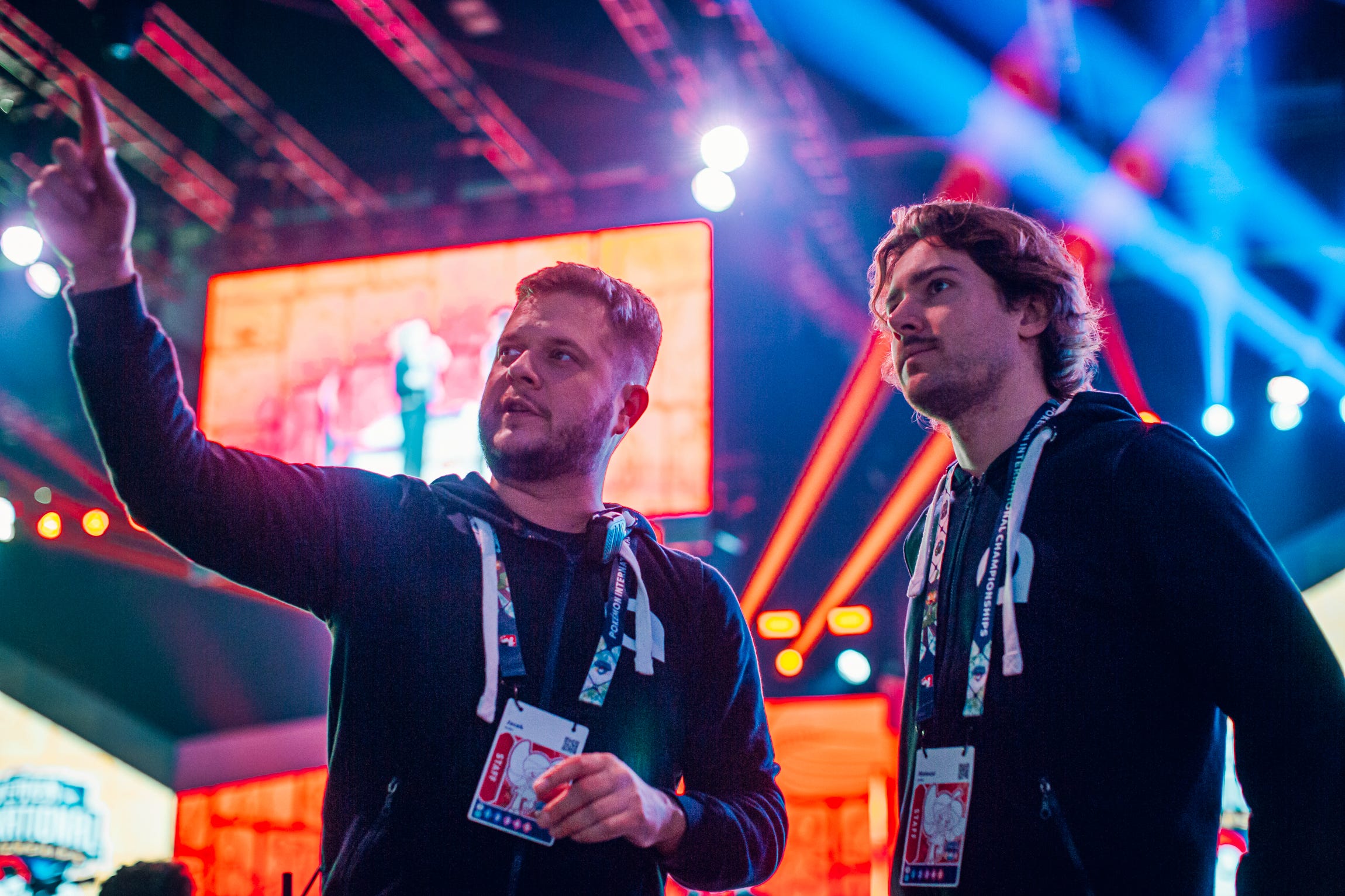
Becoming a project manager or technical designer does not mean you stop being technical
Quite the opposite.
Very often, this is when your technical knowledge starts to create even more value.
You can develop toward LED system design.
You can specialize in signal flow and media servers.
You can manage international productions.
You can become a technical project manager.
You can work on event design, esports, exhibitions, immersive installations, museums, theme parks or permanent AV systems.
You can become the person who takes a client brief and turns it into a real, buildable technical plan.
This is still technical work.
Just on another level.
And very often, the best people in these roles are those who started on site.
They know what works.
They know what is theory.
They know where a project can fail.
They know how to protect the crew, the budget and the final effect.
The industry needs people who understand both the site and the plan
Event production is becoming more complex. LED systems are bigger. Media servers are more advanced. Shows are more integrated. Clients expect better results, faster delivery and more control over the budget.
This means the market needs people who can connect practical knowledge with planning.
People who understand how equipment behaves in real life.
People who can prepare a technical plan before the crew arrives.
People who can optimize systems instead of overcomplicating them.
People who can communicate clearly with both technicians and clients.
People who can see the whole production, not only one department.
If you have spent years on site, you already have a huge part of this knowledge.
The next step is to learn how to use it in a different way: through planning, documentation, coordination, communication and responsibility for the bigger picture.
At ARAM, we are looking for people like this
At ARAM, we work on demanding productions in: events, esports, immersive projects, multimedia installations, LED screens, AV systems and complex technical productions.
We see how the international market is changing. We see that the future belongs to people who can combine hands-on technical experience with planning, management and communication.
That is why we are interested in people who have real technical experience and want to take the next step.
If you have worked on site, if you know equipment, if you understand production, if you can think logically and want to grow into a more planning-focused role — we would be happy to hear from you.
You do not need to know everything from day one. Nobody is born a project manager. But if you have a technical mindset, production experience, willingness to learn and the ability to take responsibility, that is already a very strong foundation.
English is a big advantage, because more and more projects are international. Openness is also important: openness to learning, to working with documentation, to speaking with clients, to planning ahead and to looking at a project from a wider perspective.
Maybe this is your next step
The event production industry needs people who not only know how to install equipment, but also understand why, where, when and how it should be installed.
It needs people who know the reality of the site, but want to start leading the process.
People who can combine practical experience with organization.
People who have worked hard, learned a lot and now want to turn that experience into a bigger role.
If you feel that you have already spent a lot of time on productions, that you know this industry from the inside and that you would like to explore work in planning, technical design or project management — get in touch with us.
No matter when you are reading this article, it is worth reaching out.
At ARAM, we are always open to speaking with technical people who have knowledge, experience and the ambition to take the next step.
Have a project ?
You may also want to read: